For the first time in 2026, Racing Louisville is unbeaten in consecutive matches. That's the headline. That's the narrative everyone wants to tell: the team that was collapsing is now climbing. After five straight losses and a six-game winless streak, they drew 1-1 with Houston on July 18 and then won 2-1 at Angel City on July 26. Points on the board. Momentum building. Life returning to a dead season. But look closer at how these results happened, and a darker story emerges. This might not be a team coming alive. This might be a team that's simply gotten better at losing even win they don't. The Draw That Felt Like a Loss Racing came out sharp against Houston at Lynn Family Stadium on July 18. Kayla Fischer scored early, putting Louisville ahead. For stretches, Racing controlled the game. They looked like a team that had finally shaken off the rust from the break, the one that Yanez said showed "the spark" she'd been looking for. Then the second half happened. Kat Rader equalized for Houston deep into stoppage time. Not in the 89th minute. Not in the 90th. In the fifth minute of added time, with the match seemingly put away, Racing's defense surrendered. Again. The pattern that defined their losing streak—strong start, then capitulation—was still there. The only difference was that this time, a single lapse didn't result in a four-goal drubbing or a shutout loss. It resulted in a point. A point feels like progress after everything that's happened. But it also feels like Racing got lucky. They didn't fix anything. They just weren't punished as severely as before. The Away Win Built on Desperation The Angel City result looks better on paper. 2-1 away victory. Maja Lardner scored both Louisville goals in her second career start. The rookie showed promise, stepped up when the team needed her, and Racing finally got an away win—their first of the season. But here's the uncomfortable truth: Racing won because Angel City lost their composure late, not because Racing solved their problems. Angel City controlled 67 percent of possession in the opening 45 minutes and out-shot Racing 11-8 in the first half. Racing's two goals came on the break. Lardner's first came early (24th minute), giving Louisville an advantage they didn't deserve based on possession and chances created. When Angel City woke up in the second half, they dominated. They had shots that rattled the crossbar, diving headers that forced saves from Jordyn Bloomer. Racing won because Angel City couldn't finish, not because Racing's defense was suddenly solid. This is the pattern that's haunted them all season: Racing creates in transition, gets a lead, and then hangs on for dear life. It works sometimes. Against Portland and Bay FC, it didn't. Against Angel City, it barely did. They conceded a late goal to Houston, and they nearly conceded multiple late goals to Angel City. The Illusion of Progress Yes, Racing snapped a losing streak. Yes, they have an unbeaten run for the first time this year. Yes, Lardner showed glimpses of what a young, hungry player can bring to a roster that's been suffocating under disappointment. But the underlying problems remain. The defensive fragility that's haunted them since the beginning of the season is still there. The inability to control matches is still there. The late-game breakdowns are still there—they're just being masked by occasional offensive output and the occasional opponent who can't finish. For Louisville (3-10-2, 11 points), the win earned the club its first points away from home this season. The win snaps a six-game winless streak for Louisville that dated to May 8. Those are real achievements. But they're also achievements built on narrow margins and fortunate circumstances, not on fixing what's broken. Racing went from 5 points to 11 points in two weeks. That sounds dramatic. But they're still 16th in a 16-team league. They're still looking up at a 10-point gap to the playoff line. One away win and one road draw don't erase a season's worth of dysfunction. Is the Spark Real or Just a Mirage? Bev Yanez spoke after Angel City about seeing the "spark" return to her team. That the players had regained their fighting spirit. That this group still believes. Belief is important. But belief doesn't fix defensive positioning. Belief doesn't stop late equalizers. Belief doesn't turn a team that's been outplayed into one that controls matches. What Racing has done in their last two games is survive. They've scraped together results despite not being the better team in either match. Houston probably deserved more than a draw. Angel City definitely deserved to win based on the balance of play. But survival, in the context of a season this broken, starts to feel like something. The question is whether these two results represent a genuine shift—a team that's learned something, fixed something, found something—or whether they're just anomalies in a larger pattern of dysfunction. Based on how the games actually unfolded, the answer leans heavily toward the latter. Racing is still the team that concedes late. They're still the team that doesn't control possession. They're still the team that's vulnerable to collapse. They've just, for now, managed to avoid it. That's not the same as fixing it.
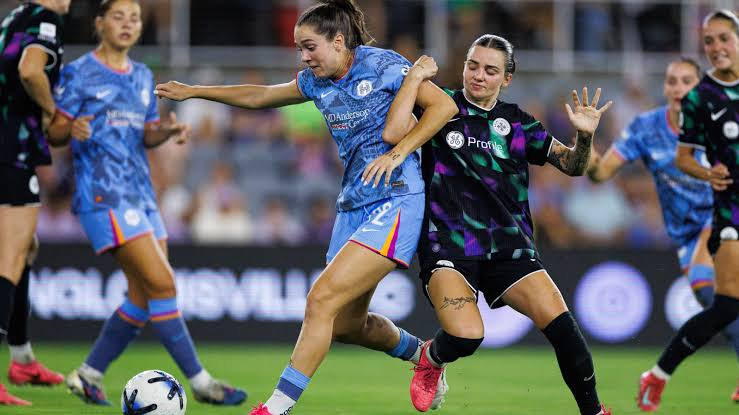
Racing Louisville Unbeaten Streak: Progress or Illusion?
Racing Louisville drew with Houston and beat Angel City, but late goals in both games reveal the team's defensive vulnerabilities persist.